The Scenario
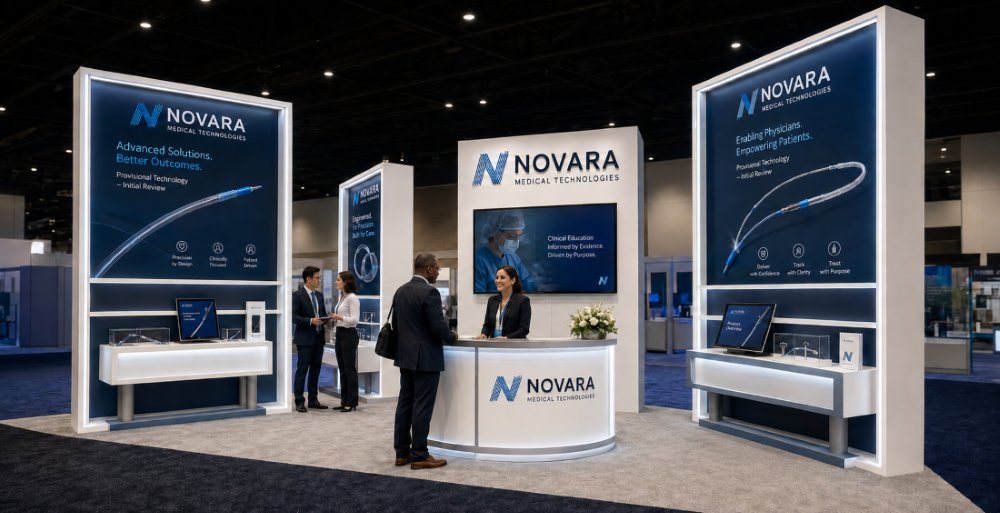
Novara Medical Technologies is a fictional MedTech company developing advanced clinical technologies for hospital and specialist-care environments. As its conference presence grows, the company needs exhibit programs that can support product education, stakeholder review, and compliant message control.
The Challenge
Novara Medical Technologies was preparing for a high-value healthcare conference season. The company had strong product momentum, a growing sales team, and a clear need for a more professional congress presence.
But the exhibit program had become difficult to manage.
Every new booth graphic, product claim, digital screen, literature piece, and layout adjustment created another layer of review. Internal teams needed to confirm what was approved, what had changed, what required review, and how each element would appear in the physical booth.
The stakes were significant. Freeman’s 2024 Attendee Intent and Behavior research found that 92% of respondents expected to attend more in-person events in 2024 than in 2023, while 80% viewed in-person events as the most trusted marketing channel. For Novara, the booth could not be treated as a last-minute production task. It was a key environment for product education, relationship building, and stakeholder confidence.
Healthcare exhibit teams also operate under additional pressure. Booth graphics, product messaging, digital content, literature, demonstrations, and safety information all require review before they appear publicly. If those components are developed without a clear review structure, even minor revisions can create late-stage delays.
Novara’s existing approach created several pain points:
- Booth graphics were reviewed separately from the full booth layout
- Product claims were difficult to track once placed into the exhibit environment
- Literature locations were not always documented early enough
- Late feedback created expensive revisions close to show dates
- The team lacked a clean process for updating approved materials across multiple events
- Stakeholders and reviewers needed a clearer view of how booth components, messaging, and claims worked together to maintain fair balance and compliance
Novara needed more than a booth design. They needed a review-ready exhibit system.
The Exhibit Strategy
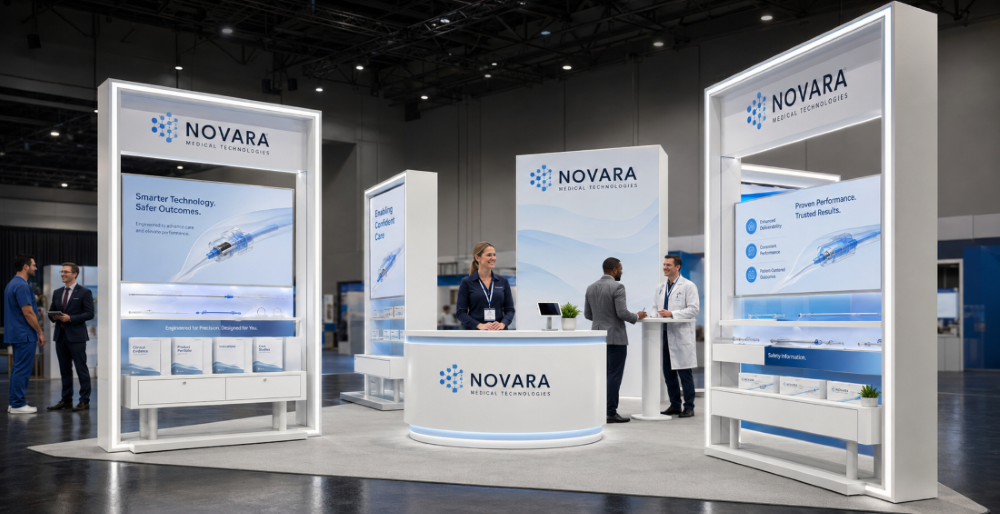
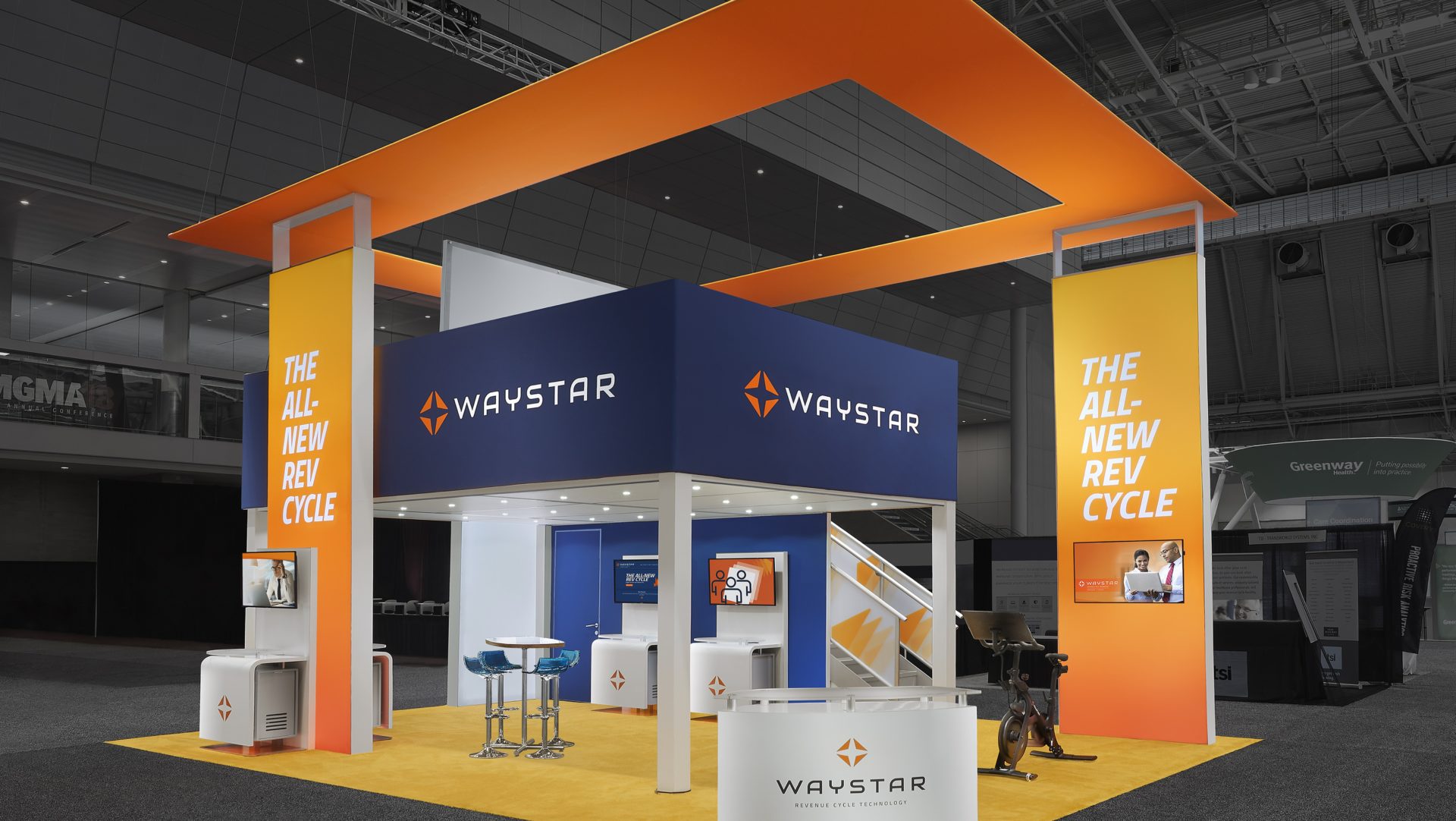
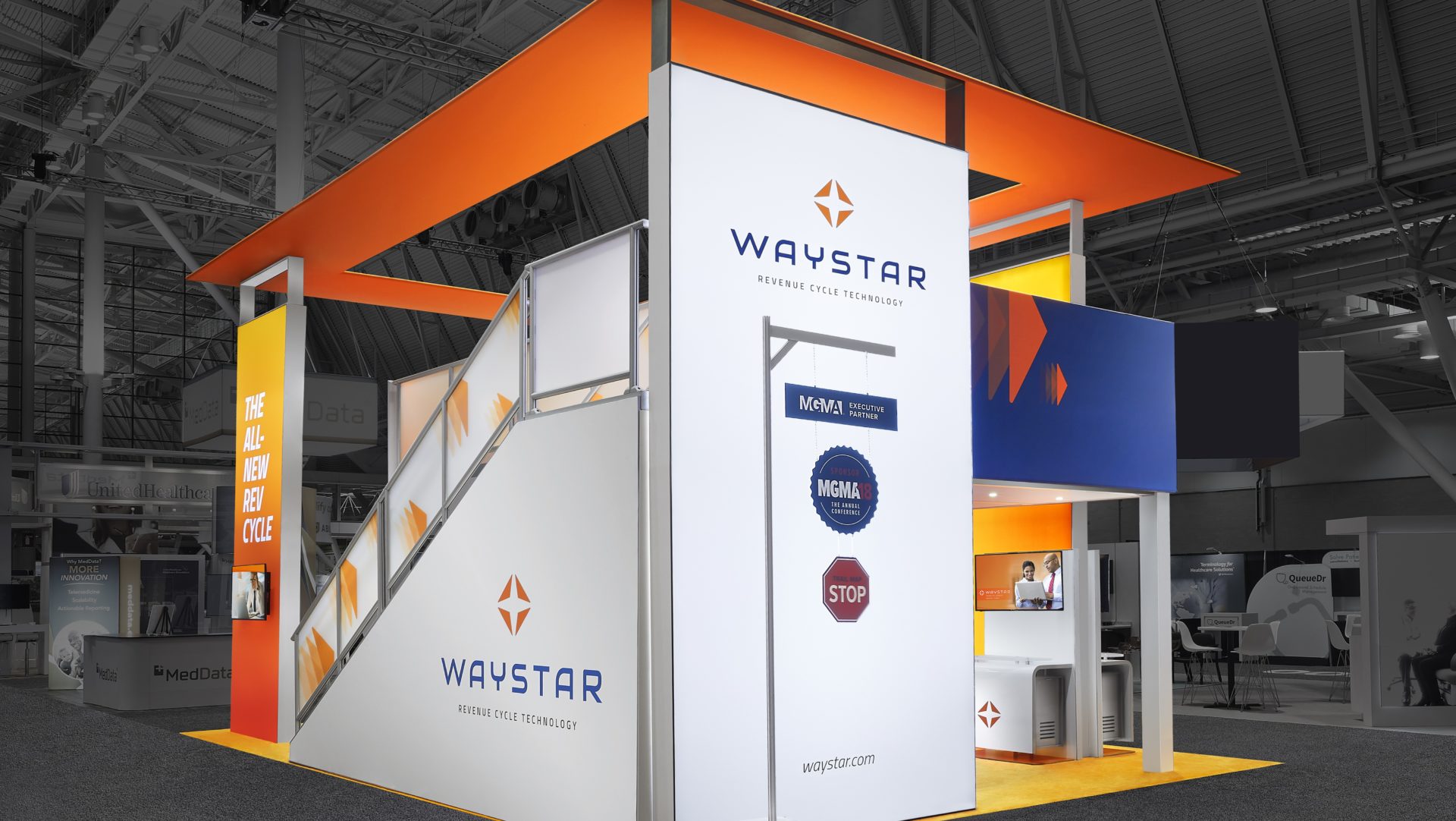
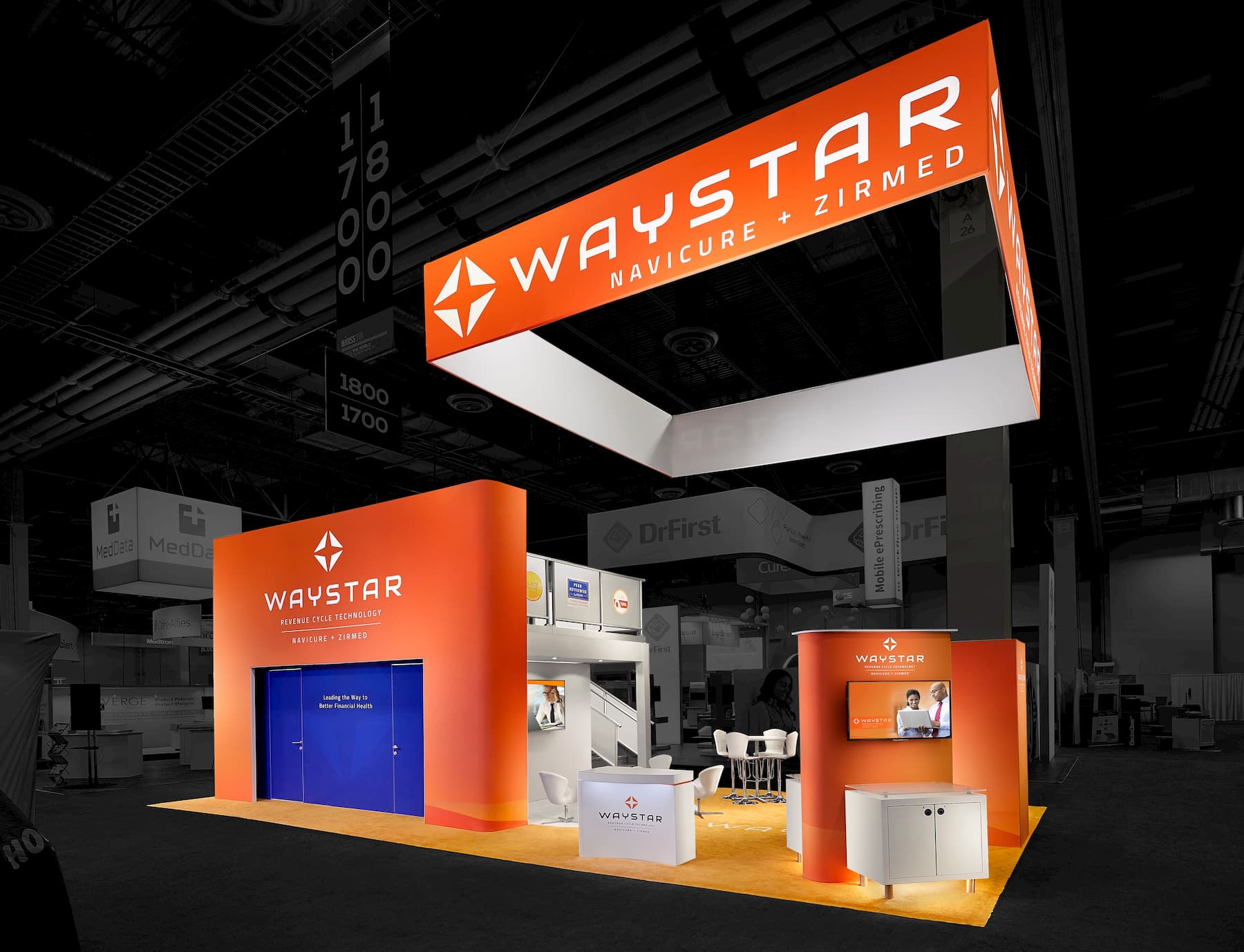
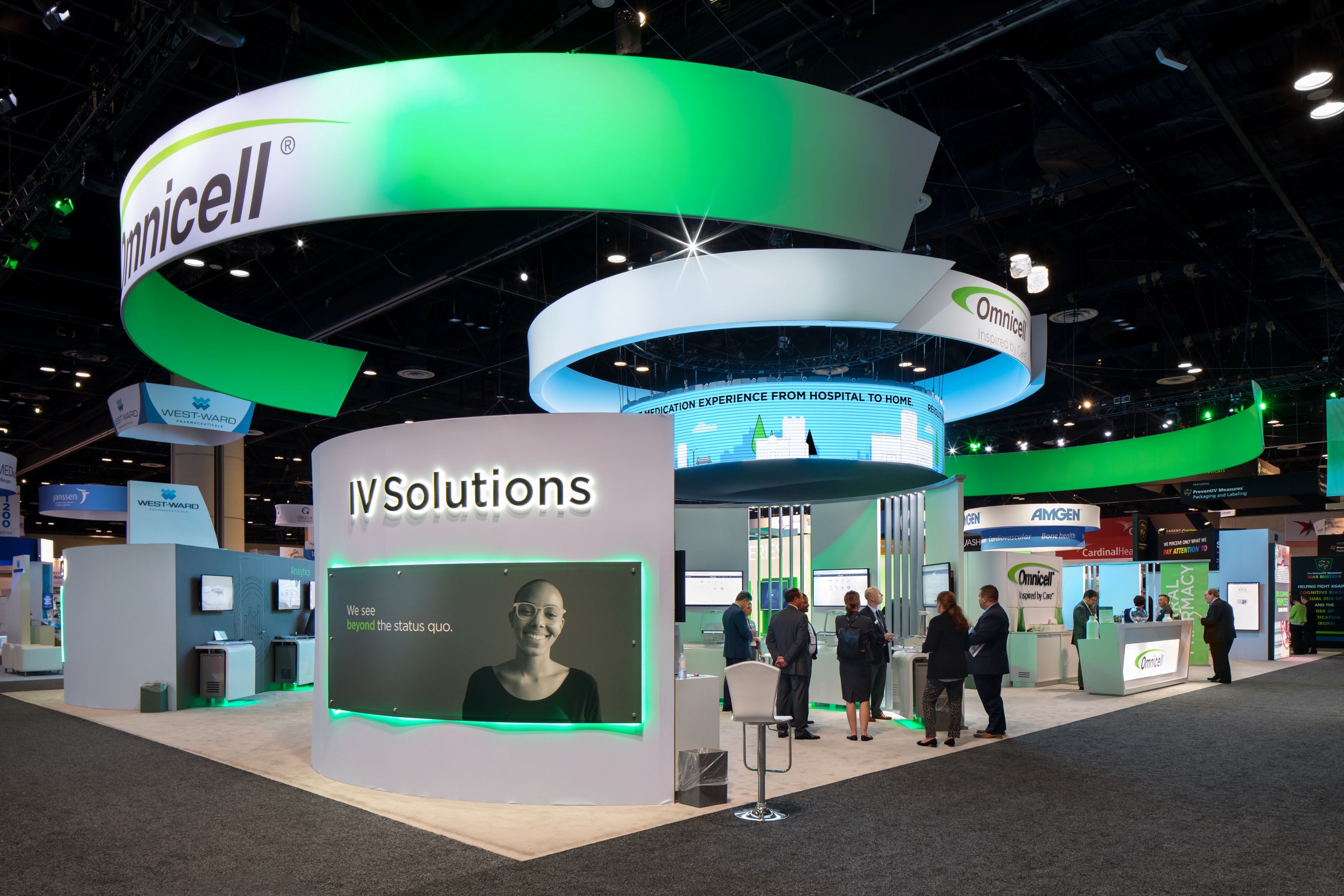
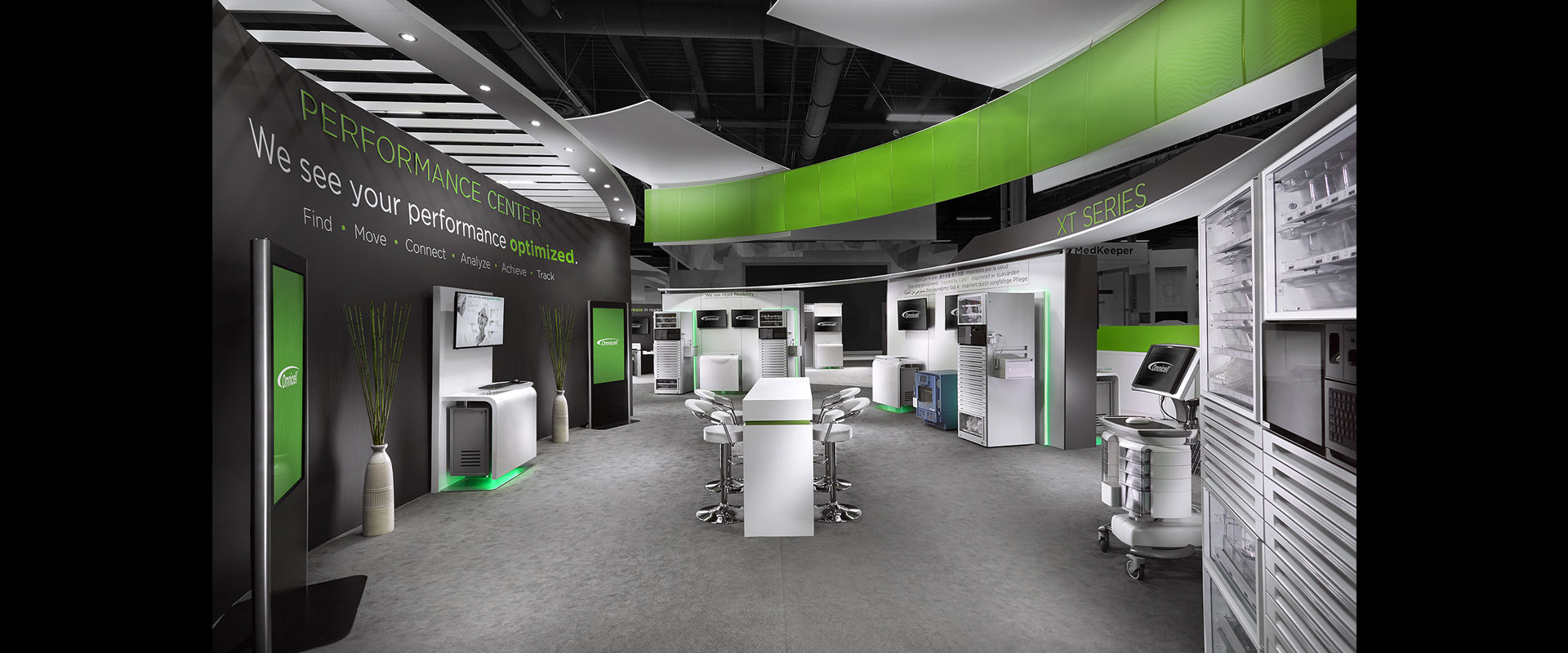
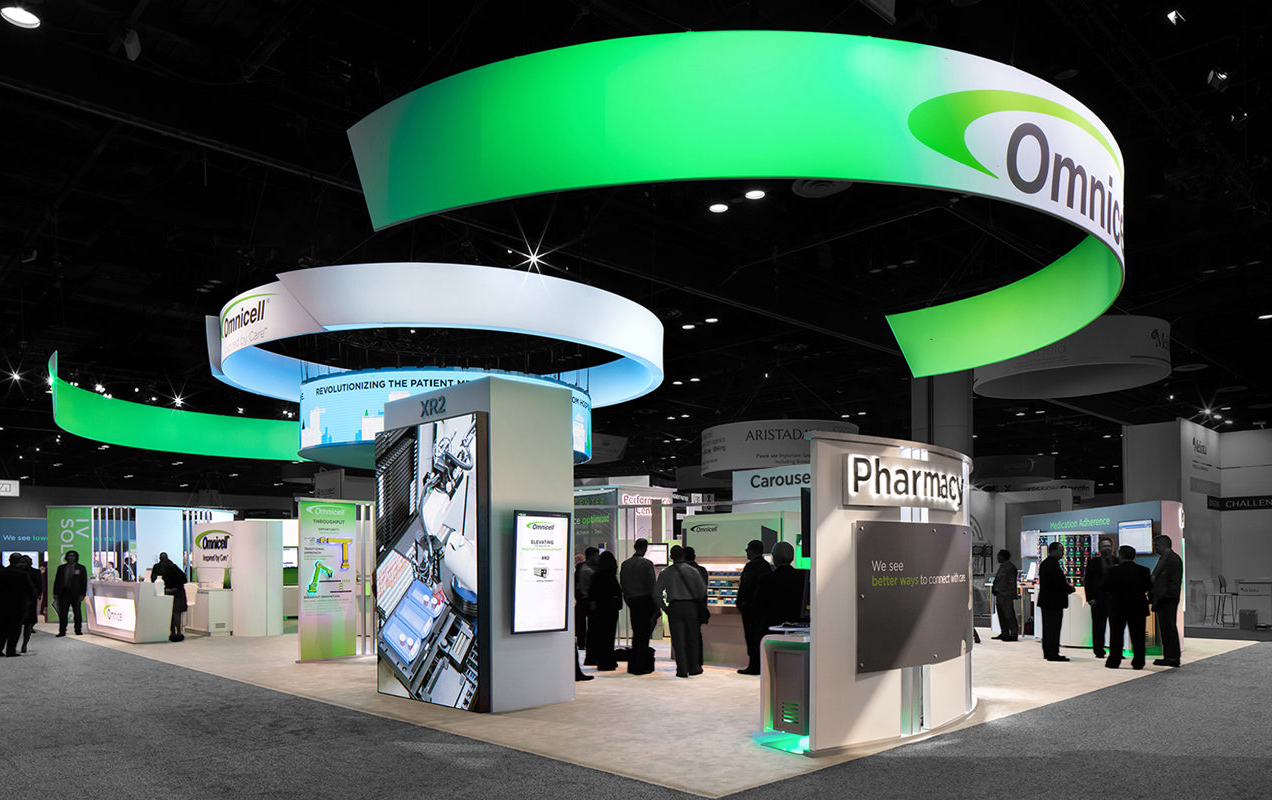
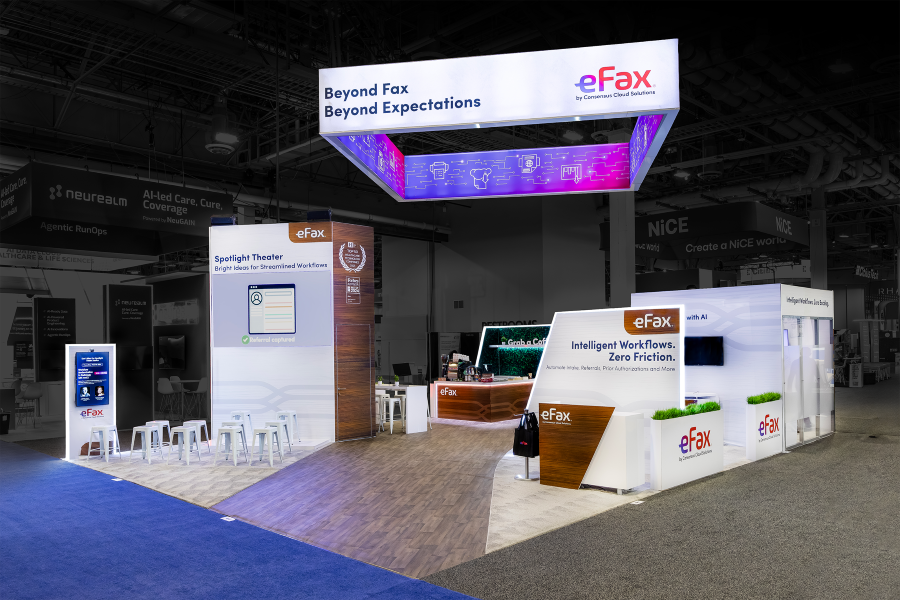
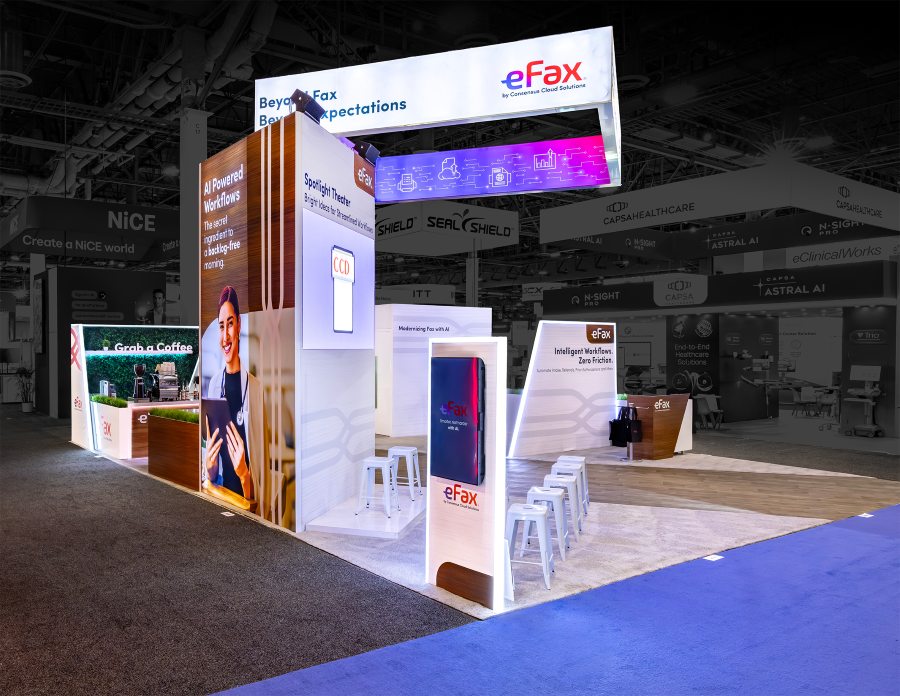
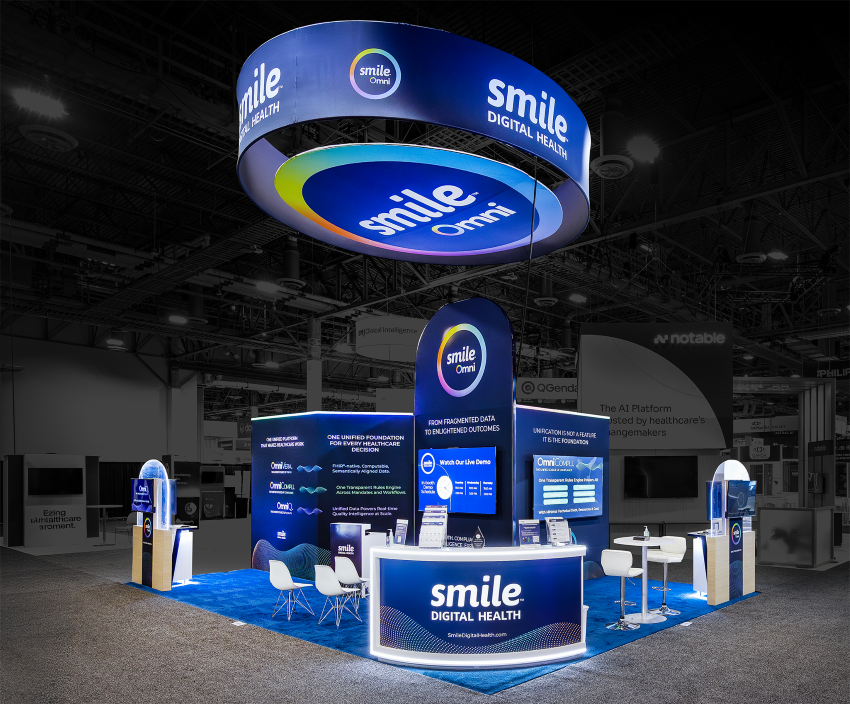
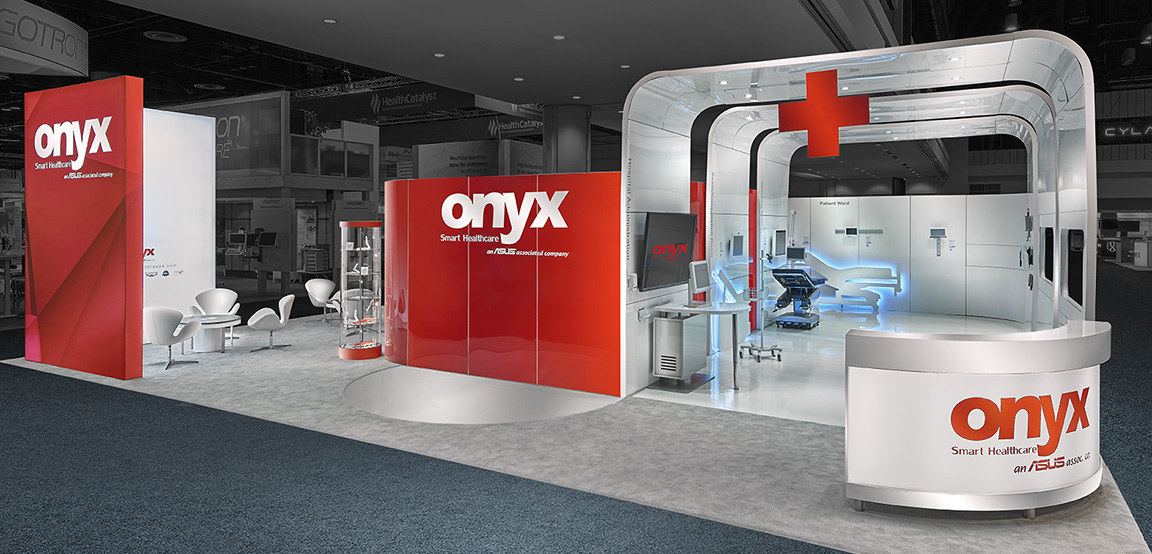
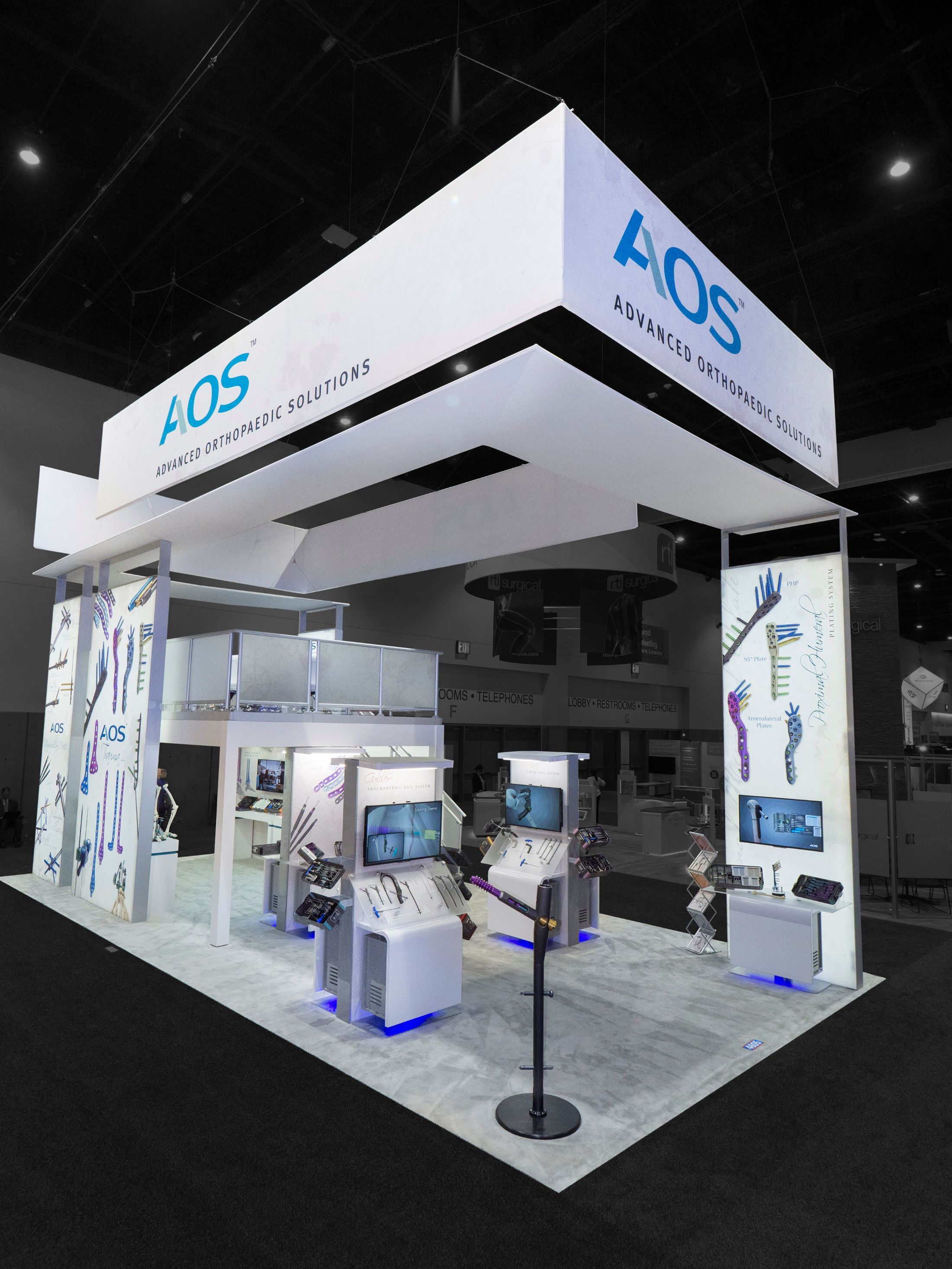
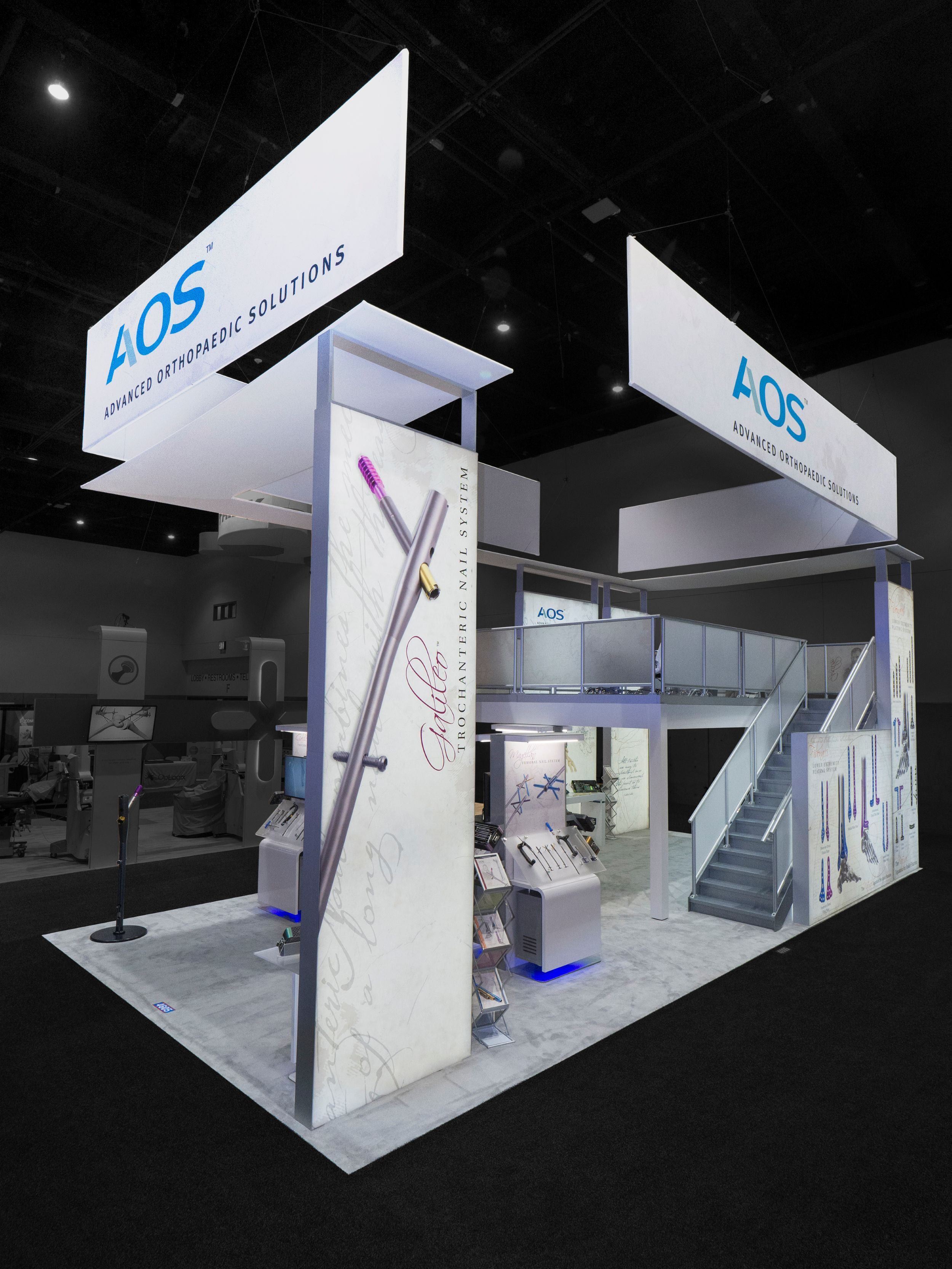
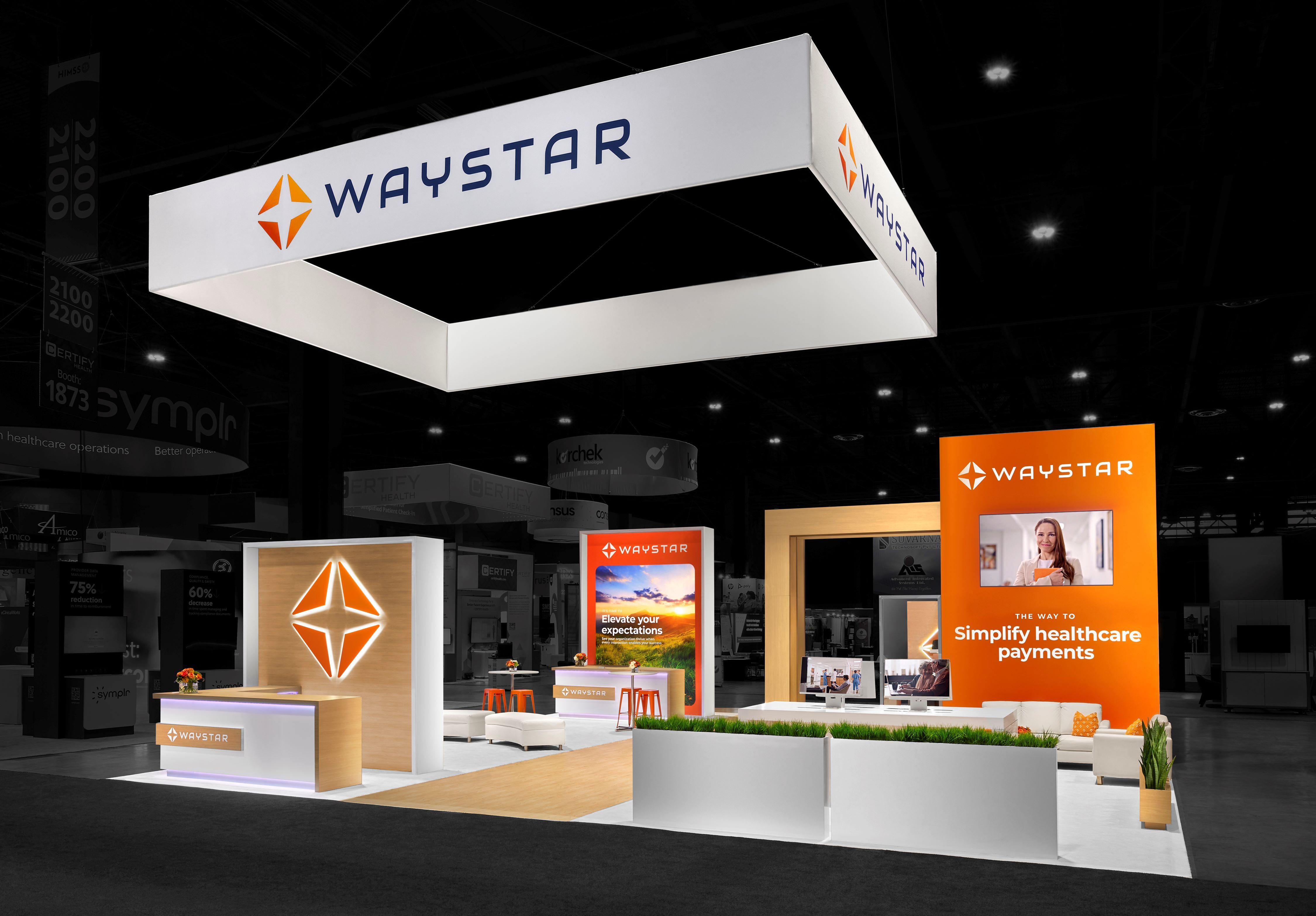
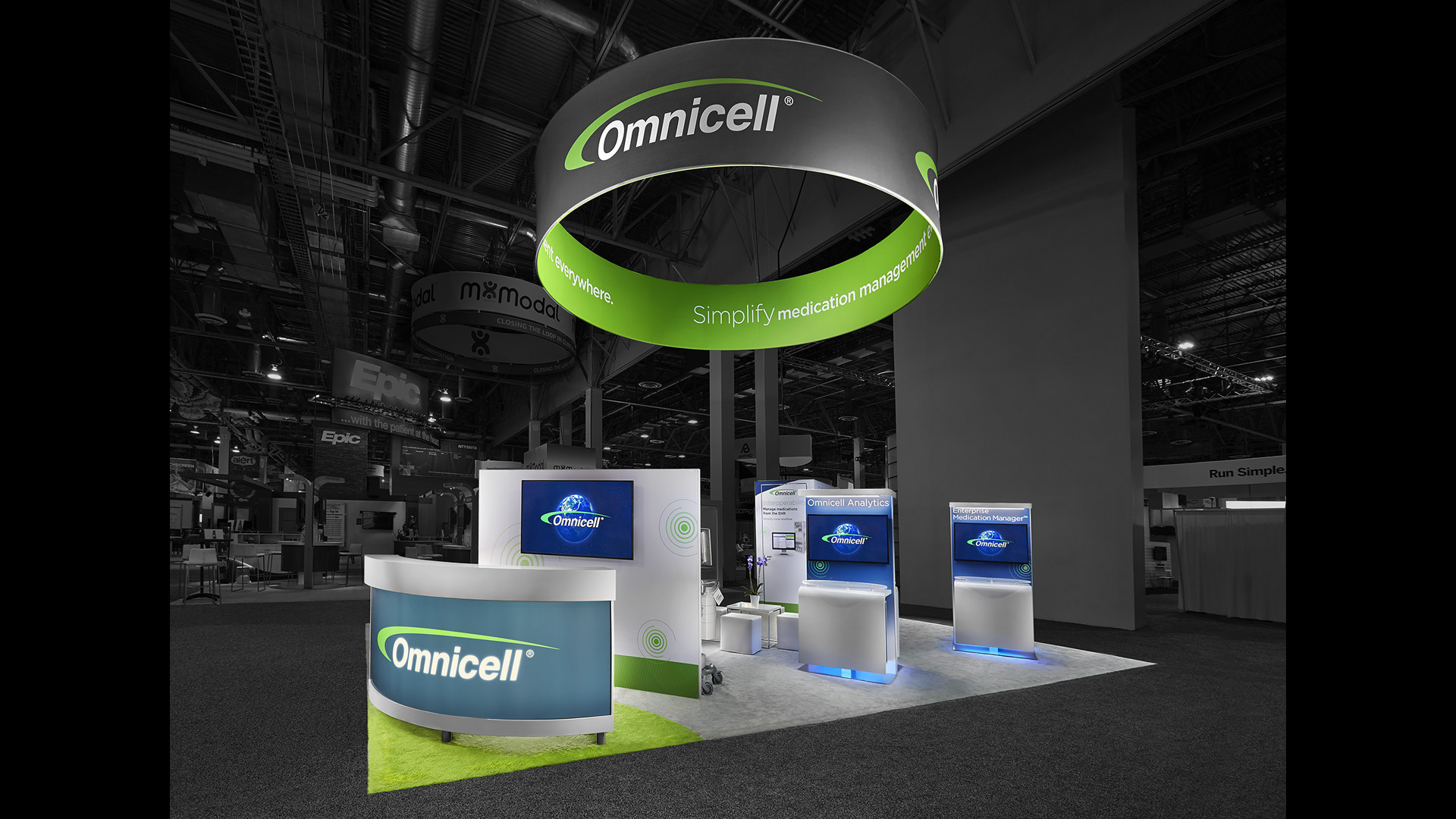
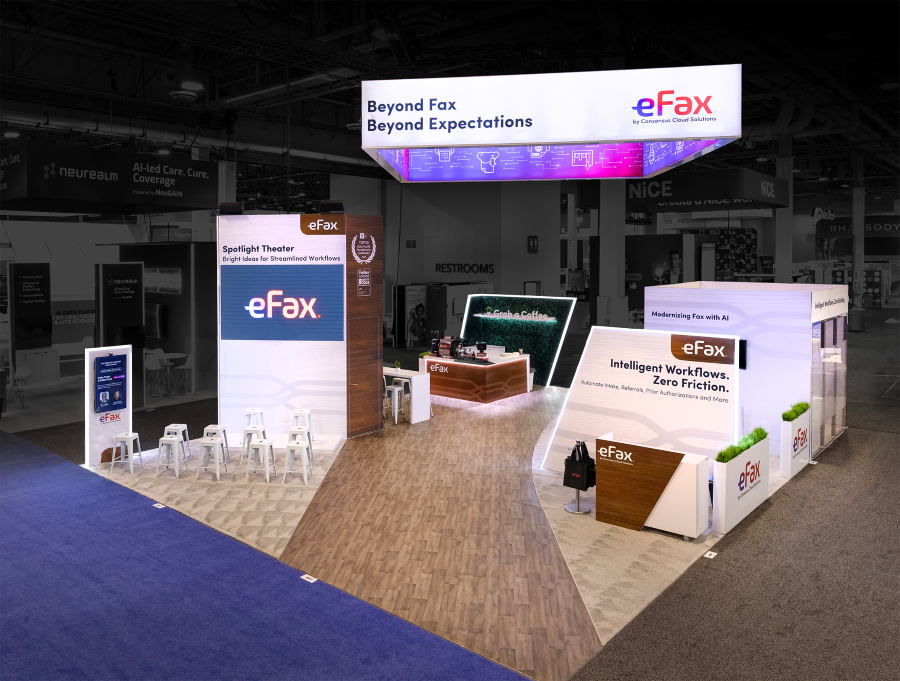
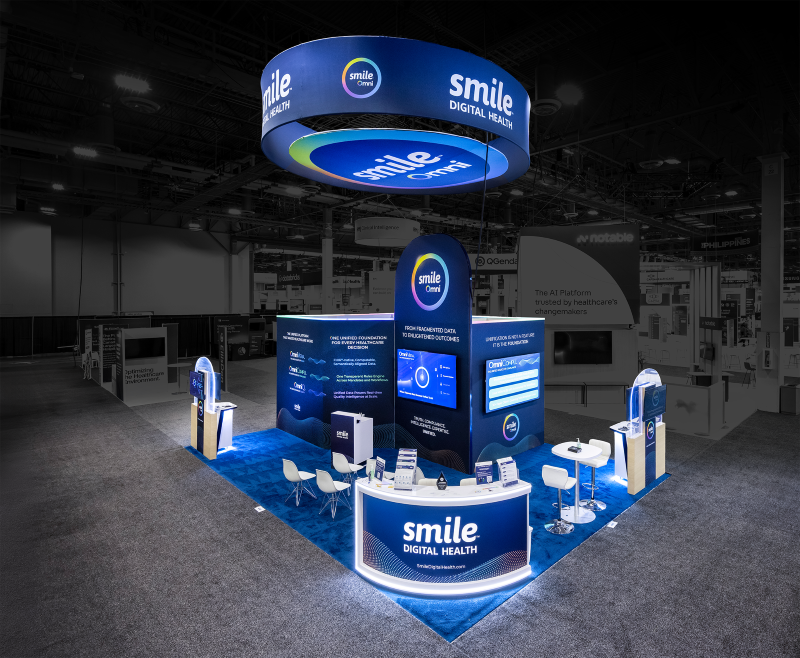
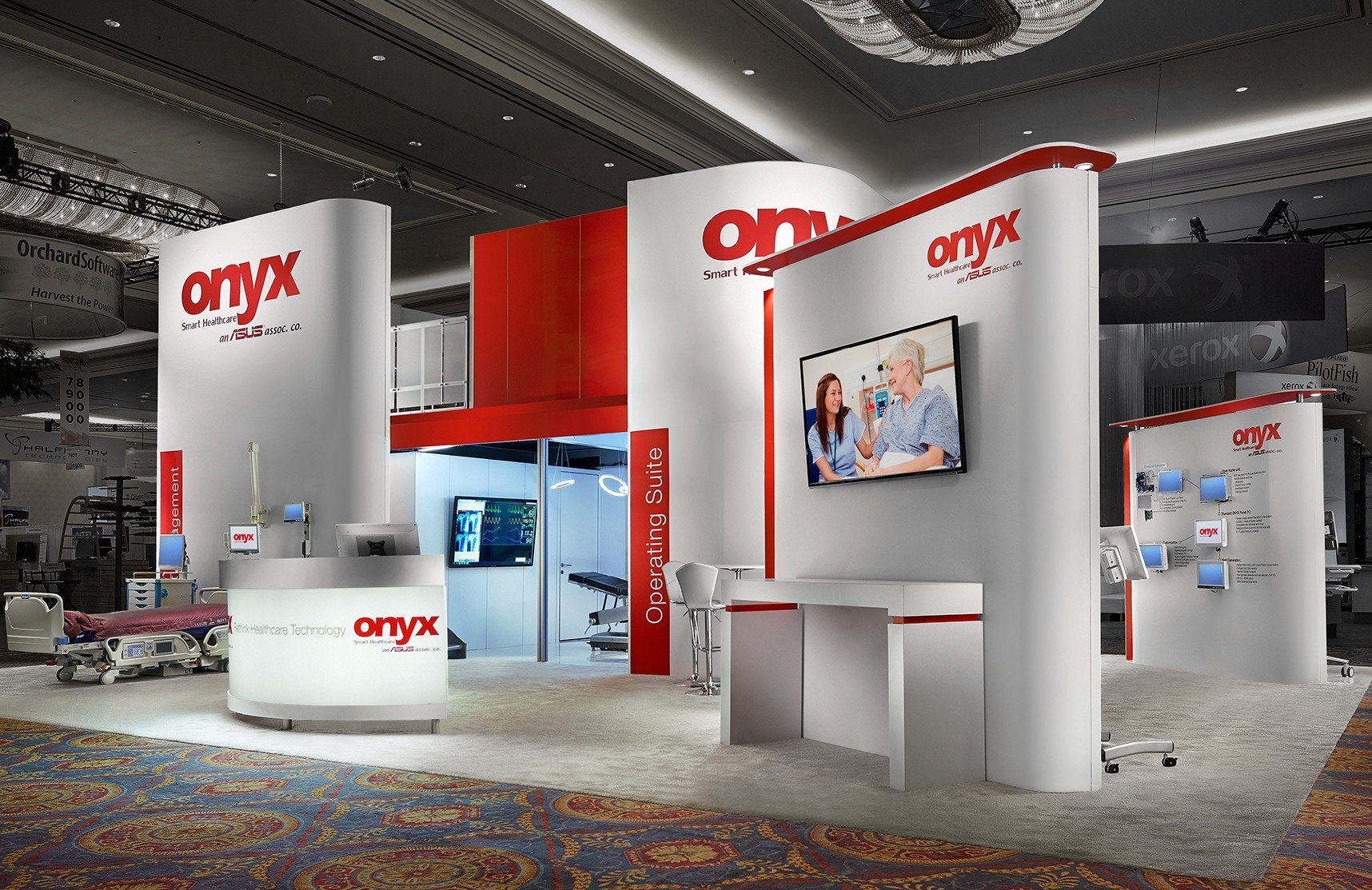
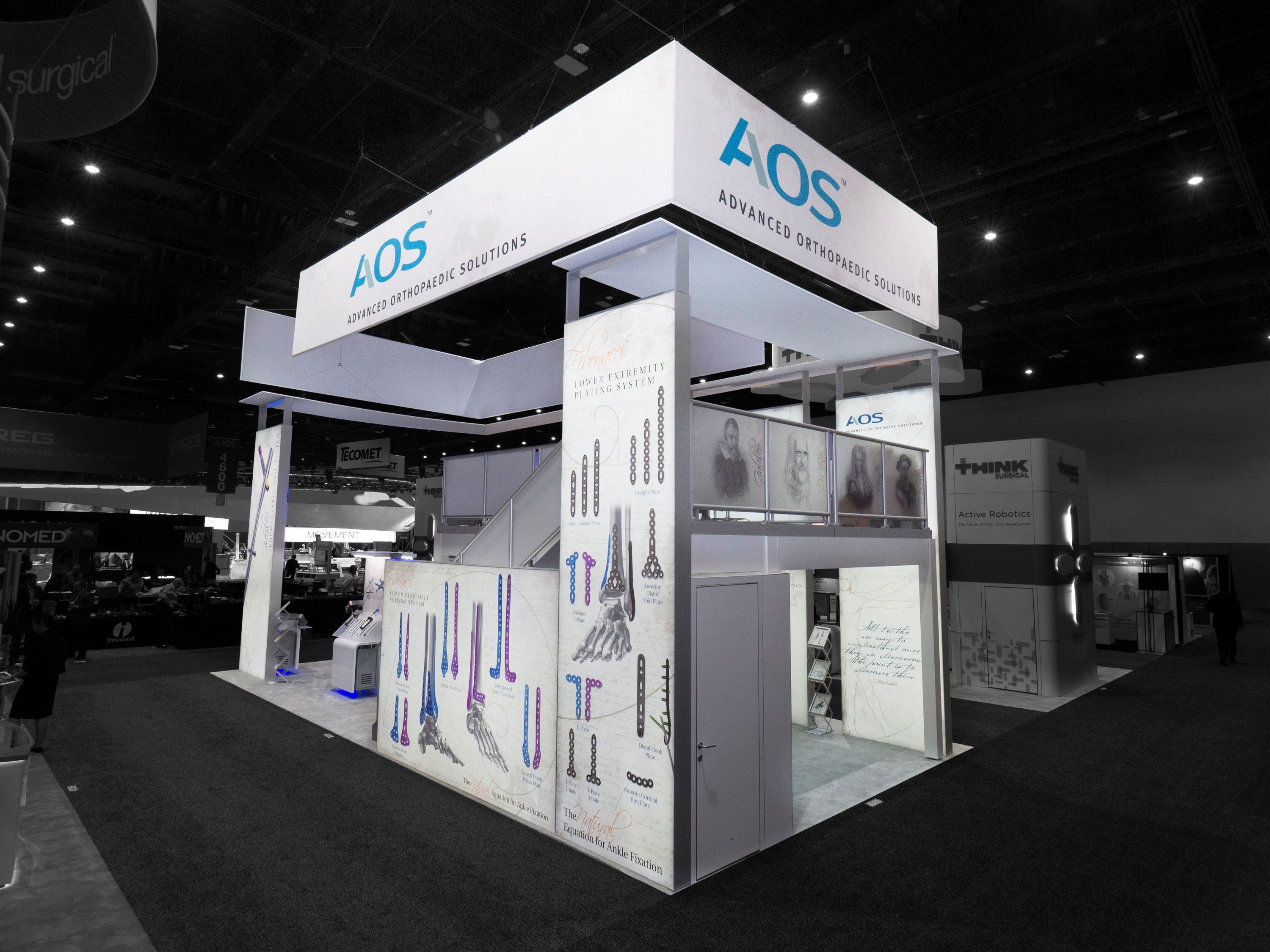
Instead of beginning with visual design alone, the team mapped the exhibit as a system of reviewable components. The booth was organized around defined content zones, including product education, demonstration space, literature placement, digital content, meeting areas, and safety or compliance information where applicable.
This approach gave Novara a clearer way to evaluate not only what each component said, but where and how it would appear in the attendee experience.
By using a custom-rental model, this allowed Novara to maintain a polished, brand-right environment while keeping the architecture flexible enough to accommodate late-stage review feedback.
Building for PRC Review
The exhibit was planned with internal review teams in mind from the start.
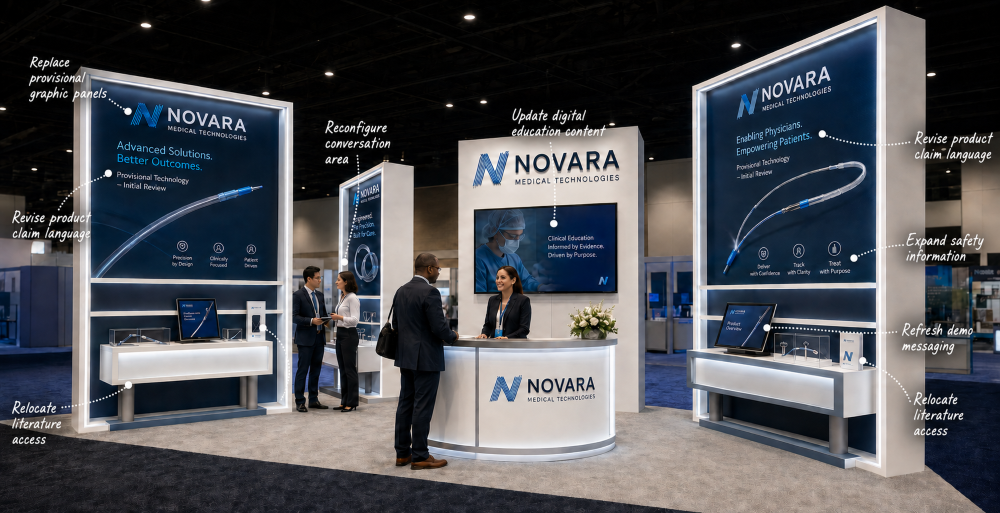
Each graphic, screen, demo area, and literature zone was treated as a distinct component. The booth layout was designed so reviewers could understand where each message would appear, how attendees would encounter it, and what supporting materials would be available nearby.
This was important because review requirements often extend beyond the individual graphic or message. In regulated healthcare environments, the context of placement, proximity, hierarchy, and supporting materials can matter just as much as the content itself.
For teams working with prescription drug promotional materials, FDA submission processes require discipline around materials, claims, and supporting references. According to the FDA’s advertising and promotional labeling Q&A, final promotional materials for prescription drug products must be submitted with Form FDA 2253 at the time of initial dissemination of labeling or initial publication of an advertisement.
Although Novara is a fictional MedTech company, the principle still applies: the exhibit needed to make review easier before production began.
That meant building the booth around clear documentation, including annotated schematics, defined material locations, content zones, and literature placement. Instead of reviewing isolated assets without context, stakeholders could see how the complete booth experience worked together.